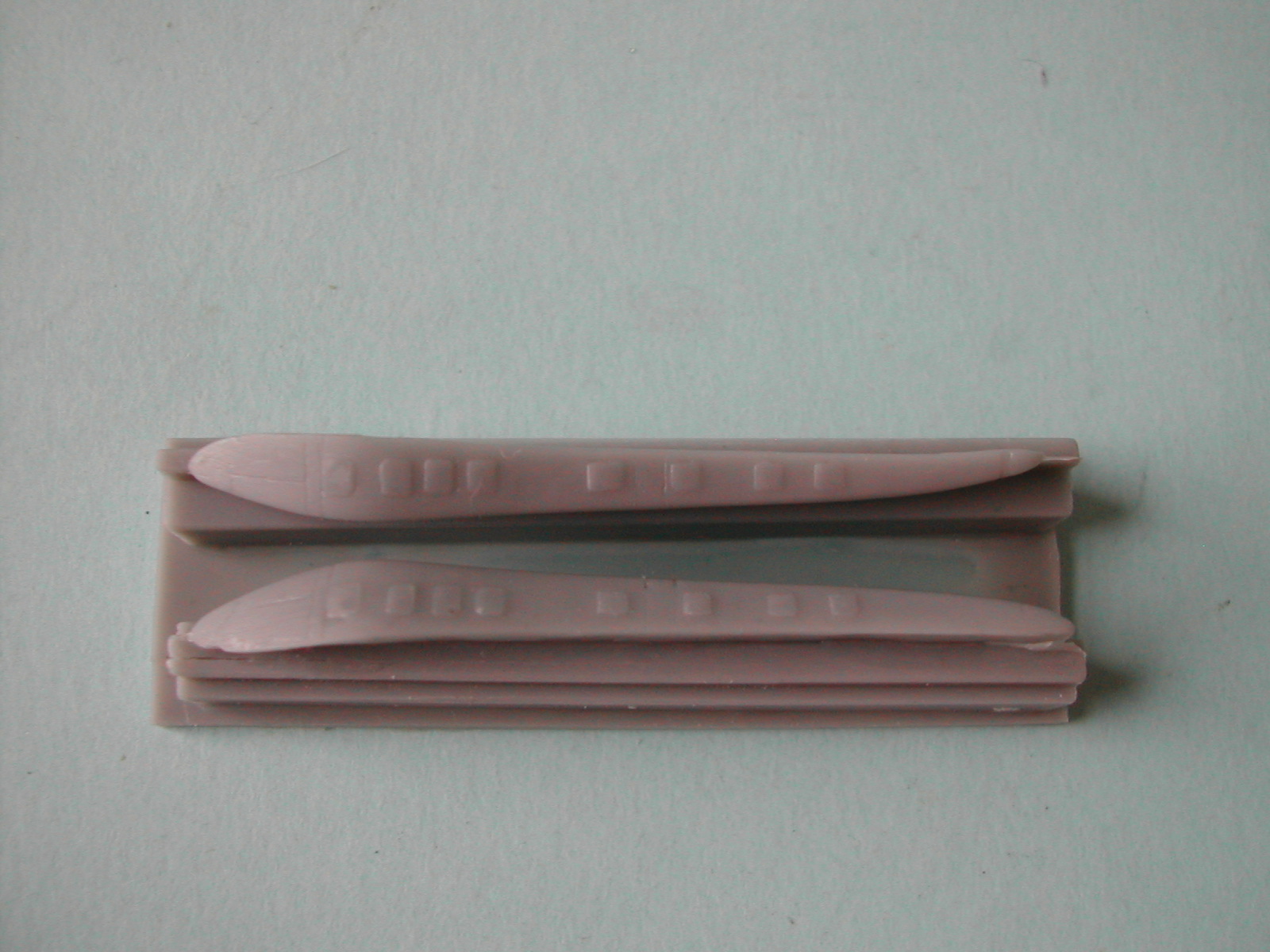
You’ve probably seen the classic silhouette of the Viper. It’s sleek. It’s light. It’s basically a cockpit strapped to a massive engine. But then you see the Block 52+ or the newer Block 70/72 versions, and they look... different. They have these weird, muscular "shoulders" hugging the top of the fuselage. Those are conformal fuel tanks, or CFTs. Some purists hate them because they break the clean lines of the original design, but honestly? They are the only reason the F-16 is still a heavyweight contender in 2026.
Lockheed Martin didn't just slap these on for aesthetics.
The Range Problem That Wouldn't Go Away
The F-16 was originally a "day fighter." It was meant to be cheap, nimble, and stay close to home. But modern war doesn't work like that. Pilots need to fly hundreds of miles, loiter over a target for hours, and still have enough gas to dogfight their way out. Usually, you’d just hang giant drop tanks under the wings. That works, sure. But it also takes up the very spots where you want to put bombs or missiles. Plus, those big round tanks are aerodynamic nightmares at high speeds.
The F-16 with conformal fuel tanks fixes this by moving the gas to the top of the jet.
Each of these tanks holds about 450 gallons (roughly 3,000 pounds) of JP-8 fuel. When you have two of them, you’re looking at a 50% increase in internal fuel capacity compared to a standard Block 50. That is a massive deal. It means you can hit targets that used to be out of reach without needing a tanker to baby-sit you every thirty minutes.
Drag, Weight, and the "Shoulder" Myth
A lot of people think putting big humps on a jet makes it slow. It's a logical guess. More surface area usually equals more drag. But the physics here is actually kinda brilliant. Because the CFTs are shaped to follow the curve of the airplane, they cause much less drag than traditional underwing drop tanks.
At subsonic speeds, the drag penalty is almost negligible.
Once you go supersonic, yeah, you feel it. But here’s the kicker: if you are carrying underwing tanks, you usually have to drop them (literally punch them off the plane) if you get into a dogfight. With the F-16 with conformal fuel tanks, you don’t drop anything. They stay on. They are rated for the full 9G maneuver envelope of the aircraft. A pilot can fly into a high-threat environment, dump their bombs, and immediately engage in high-alpha maneuvers without worrying about lopsided weight or losing half their fuel just to stay agile.
Who Is Actually Flying These?
This isn't some experimental prototype. It’s the standard for international F-16 customers now. The Hellenic Air Force (Greece) was an early adopter because they have to cover a lot of water in the Aegean. The Republic of Singapore Air Force uses them. The UAE’s Block 60 "Desert Falcon"—which was for a long time the most advanced F-16 on the planet—was designed from the ground up to sport these shoulders.
And then there's the F-16V or Block 70/72.
This is the version Lockheed is selling to countries like Taiwan, Morocco, and Slovakia. When you see these jets, the CFTs are almost always part of the package. They aren't just for fuel, either. By moving the fuel to the top, you free up the "wet" stations under the wings for heavy munitions. You can carry a full load of AGM-88 HARMs or heavy 2,000lb JDAMs on the inboard stations because you don't have a 370-gallon tank taking up that real estate.
The Pilot's Perspective
Imagine you’re sitting in that bubble canopy. To your left and right, just behind your peripheral vision, these tanks are tucked in. You don't see them, but you feel the stability.
One thing pilots mention is that the CFTs actually improve the directional stability of the jet in certain flight regimes. It changes the center of gravity slightly, but the digital Flight Control System (FLCS) handles the math for you. You just fly. The real benefit is the "loiter time." In places like Afghanistan or during patrols over the South China Sea, being able to stay on station for an extra 45 minutes without hitting a tanker is the difference between completing a mission and going home empty-handed.
Maintenance and the "Permanent" Nature
Are they permanent? Sorta.
Technically, a ground crew can remove the F-16 with conformal fuel tanks in about two hours. It’s not something you do between sorties, but if a jet needs to go into deep maintenance or if a specific mission requires the absolute lowest weight possible, they can come off. Most air forces just leave them on. They are bolted to the hardpoints on the upper fuselage and integrated into the fuel system with self-sealing plumbing.
It’s worth noting that the US Air Force doesn't really use them on their own F-16s. Why? Because the US has the largest tanker fleet in the world. We have KC-135s and KC-46s everywhere. Other countries don't have that luxury. For them, the F-16 has to be self-sufficient.
The Surprising Impact on Radar Cross Section
Does it make the jet easier to see on radar?
Basically, yes. But it’s complicated. The F-16 was never a "stealth" jet, though it has a relatively small RCS (Radar Cross Section) compared to an F-15 or a Su-27. Adding CFTs increases the surface area, which naturally reflects more radar energy. However, since the tanks are contoured to the body, they don't create the same kind of "radar traps" that hanging external tanks and pylons do. If you're flying a Block 70 with the APG-83 AESA radar, you’re usually planning to see the enemy and shoot them with an AIM-120D long before they get a solid track on your slightly-bulkier-than-usual fuselage.
Technical Insights and Strategy
If you're looking at the future of the F-16, you have to look at the total package. The CFTs are part of a modular evolution.
- Total Fuel: You're looking at roughly 3,000 lbs of extra gas.
- Station Availability: Frees up pylons 3, 4, 6, and 7 for weapons rather than fuel.
- Performance: Maintains a 9G rating, though climb rates are slightly reduced when fully topped off.
- Integration: Requires the structural beef-up found in Block 50/52 and later airframes.
Actionable Insights for Defense Enthusiasts and Analysts:
- Monitor Export Contracts: When a country orders the F-16 Block 70, check if the CFTs are included in the DSCA (Defense Security Cooperation Agency) notification. This tells you if they are planning for long-range strike missions or simple point defense.
- Study the "Wet Pylon" Alternatives: Compare the drag index of CFTs versus the new 600-gallon underwing tanks. The CFTs almost always win on efficiency.
- Watch the AESA Synergies: The combination of the APG-83 radar and the extra fuel means the F-16 can now act as a "mini-AWACS" or a long-range interceptor in ways the original designers never imagined.
The F-16 with conformal fuel tanks might look like a "chunky" version of a classic, but it’s the peak of 4th-generation fighter evolution. It’s what happens when you take a perfect 1970s design and optimize it for the grueling requirements of 21st-century aerial warfare. It isn't just about carrying more gas; it's about making the jet more lethal by letting it stay in the fight longer.