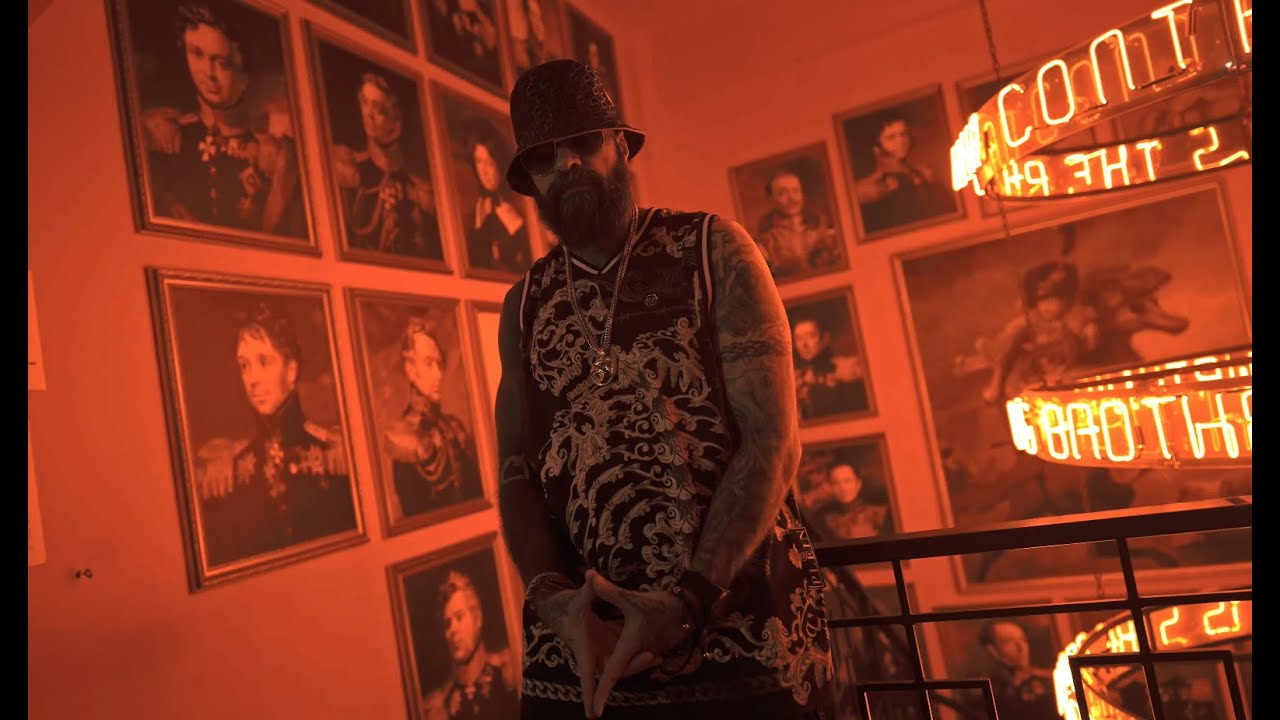
Santa Catarina, Nuevo León. That's where the whole thing started back in the late nineties. If you’ve ever scrolled through YouTube and seen a shirtless, heavily tattooed man with a deep voice rapping about life in the "barrio," you’ve seen Babo. But while Eduardo Dávalos de Luna—better known as Babo—is the face, the voice, and the brand, the history of the members of Cartel de Santa is a messy, complicated saga of brotherhood, prison time, and high-profile departures.
Most people think of them as a duo. Some remember a trio. Honestly, it depends on which era of Mexican hip-hop you grew up with.
The Core: Babo and Rowan Rabia
At the heart of everything is Babo. He’s the undisputed leader. He’s got that gravelly flow that defined the "nu-metal meets gangsta rap" sound of their self-titled 2002 debut. But he wasn't alone. Rowan Rabia (Roman Rodríguez) is the architect. While Babo provides the lyrics and the intimidating persona, Rowan Rabia is the one behind the boards, producing the beats that made tracks like "Todas mueren por mí" or "La Pelotona" national anthems in Mexico.
They are the survivors.
It's actually pretty rare for a group to stay together this long in the rap game, especially when you consider that Babo spent significant time behind bars. In 2007, things got dark. A dispute led to the accidental shooting of a friend, Ulises Buenrostro. Babo went to jail, and for a minute, everyone thought Cartel de Santa was done. It wasn't. Rowan stayed loyal. When Babo was released in 2008 after paying bail, they dropped Vol. IV, an album fueled by the frustration and reality of the Mexican penal system. That loyalty is why, when you talk about the current members of Cartel de Santa, it's basically just these two holding down the fort as the official foundation.
What Happened to Dharius?
You can't talk about the lineup without mentioning the elephant in the room: Dharius.
If Babo was the muscle, Dharius (Alan Alejandro Maldonado Tamez) was the energy. He had this high-pitched, manic flow that perfectly balanced Babo’s low-end growl. For over a decade, he was an integral part of the members of Cartel de Santa. Then, in 2013, he vanished.
Social media went nuts.
The split wasn't exactly quiet, but it wasn't a public brawl either. It was just... over. Dharius later explained in various interviews that it was about creative control and "personal differences." Basically, the vibe was gone. He wanted to do his own thing, and in a group where Babo is the clear captain, there isn't always room for two masters. Dharius went solo, found his own success with hits like "La Durango," and never looked back. Since then, Cartel de Santa hasn't officially replaced him. They didn't hold auditions. They didn't look for a new "hype man." They just evolved into a leaner, meaner version of themselves.
The Extended Family: More Than Just Rapers
Cartel de Santa operates more like a collective or a label than a traditional band. This is where people get confused about the actual members of Cartel de Santa.
Take Millonario, for example.
Millonario (César Renato Suárez Morales) is often mistaken for an official member because he’s on everything. He’s the "Collaborator-in-Chief." His raw, aggressive style fits the brand perfectly, and his duo "Millonario y W. Corona" was heavily promoted by Babo’s label, Babilonia Music. While he’s part of the family, he’s technically a separate artist under their umbrella.
Then there’s the visual side. You can't ignore the "Cartel Girls" or the entourage that appears in the videos. Recently, Babo’s daughter, Barbarela, has stepped into the spotlight. She’s carving out her own lane in the urban scene. Is she a "member"? Not in the way Rowan is. But she’s part of the DNA. The group has turned into a lifestyle brand—encompassing tattoos, tequila, and even OnlyFans content—which has kept them relevant in 2026 while other groups from the 2000s have faded into "throwback" playlists.
Why the Lineup Changes Matter
The shifts in the members of Cartel de Santa reflect the shift in the Mexican music industry itself. In the early 2000s, you needed a full band dynamic to get radio play. Today? It's all about the cult of personality.
Babo has leaned into his role as a digital provocateur. Whether he's posting about his pet panther or his controversial music videos, he stays at the center of the conversation. The loss of Dharius was a blow to the old-school fans who loved the back-and-forth verses, but it allowed Babo to lean harder into his solo-heavy, trap-influenced sound.
- 2002-2013: The Golden Trio (Babo, Dharius, Rowan Rabia).
- 2013-Present: The Duo (Babo and Rowan Rabia) with a rotating door of Babilonia Music associates.
The Reality of Babilonia Music
If you're looking for a definitive list of everyone who has been "in" the group, you're looking at a long list of affiliates. Artists like Masta Blasta or Draw were around in the early days. But the core has always been about the brotherhood between the rapper and the producer.
Honestly, the "Cartel" name is literal. It's an organization. When you see the logo, you aren't just seeing a band; you're seeing a business empire based in Monterrey. They've survived legal battles, internal rifts, and the total transformation of the music industry from physical CDs to streaming dominance.
Understanding the Impact
The reason people still care about the members of Cartel de Santa isn't just because of the music. It’s the authenticity. In a genre where a lot of people fake the "tough guy" act, Babo lived it. The prison time was real. The bullet wounds were real. The internal fights were real. That grit is what makes the fans stay loyal, even when the lineup changes.
They paved the way for the current wave of Mexican trap and "corridos tumbados." Without Cartel de Santa proving that Mexican urban music could be commercially massive, we might not have the same global platform for artists today.
Next Steps for the Fan and Listener
If you want to truly understand the evolution of the group, don't just listen to the hits. You need to map out the transition.
Start with the album Cartel de Santa Vol. II to hear the group at their most cohesive with Dharius. Then, jump straight to Golpe Avisa (2014). This was the first album after Dharius left, and you can hear the change in the production and the way Babo carries the tracks solo. It’s a masterclass in rebranding.
Finally, check out the Babilonia Music YouTube channel. Don't just look for the group's name; look for the features. Watching how Babo interacts with Millonario or Barbarela gives you a much better picture of what the "Cartel" is today. It’s not just a band anymore. It’s a legacy that’s been built, broken, and rebuilt over three decades. Keep an eye on the production credits—Rowan Rabia is still the secret weapon that makes the whole thing work.