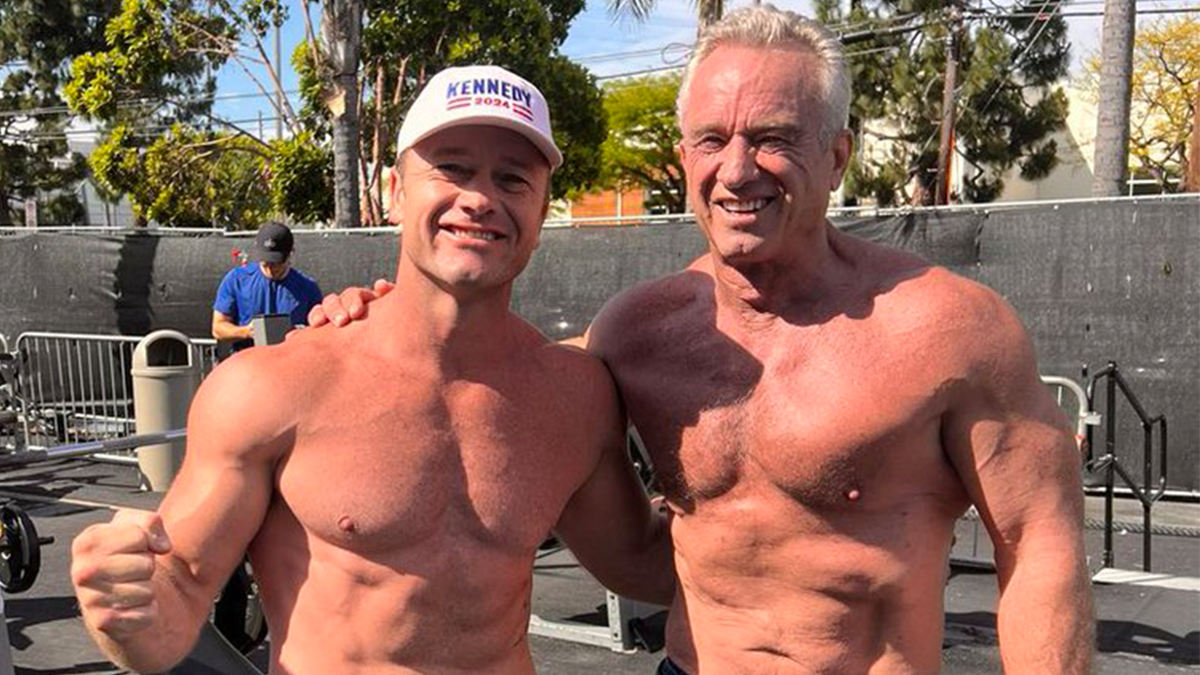
If you walked into a grocery store five years ago, you probably wouldn’t have expected a Kennedy to be the reason your cereal box looks different. Yet, here we are. Robert F. Kennedy Jr. has officially shifted from the ultimate political outsider to one of the most powerful figures in the federal government. Since being sworn in as the Secretary of Health and Human Services (HHS) in early 2025, he’s been tearing up the old playbook.
It’s a wild arc. Honestly, even his most dedicated followers didn’t necessarily see him landing a Cabinet seat after that rollercoaster 2024 independent run. But the alliance with Donald Trump stuck. Now, he’s in charge of a $2 trillion budget and the very agencies—the FDA, CDC, and NIH—he spent decades suing or criticizing from the sidelines.
The MAHA Movement: Why Robert F. Kennedy Jr. is Rebuilding the Food Pyramid
You’ve likely heard the acronym by now: MAHA. It stands for "Make America Healthy Again." For Robert F. Kennedy Jr., this isn't just a catchy campaign slogan; it’s basically his entire personality at this point. In January 2026, he teamed up with Agriculture Secretary Brooke Rollins to drop the new 2025–2030 Dietary Guidelines.
Forget the old grain-heavy pyramids of the 90s. The new version is literally an inverted pyramid. It puts protein and whole vegetables at the top (the widest part) and treats added sugars like public enemy number one.
He’s "declaring war" on ultra-processed foods.
Think about that for a second. The guy in charge of our health policy is telling people to eat beef tallow and butter instead of seed oils. It’s a massive middle finger to the big food conglomerates that have dominated American shelves for half a century. Kennedy argues that 90% of our healthcare spending is just us trying to fix chronic diseases caused by what we eat. He's not wrong about the costs—the numbers are staggering—but his methods are sparking a lot of heat in D.C.
What's actually changing in your pantry?
He’s moving fast on a few specific fronts that might affect your next shopping trip:
- Food Dyes: There is a heavy push to phase out petroleum-based dyes (like Red 40) from foods and even medications.
- The "GRAS" Loophole: He’s trying to close the "Generally Recognized as Safe" rule that lets companies add new chemicals to food without telling the FDA.
- SNAP Reform: Kennedy is working to limit what SNAP benefits can buy, steering them away from soda and candy toward "real food."
The Vaccine Controversy: It’s Not Just "Anti-Vax" Labels Anymore
We have to talk about the elephant in the room. You can’t discuss Robert F. Kennedy Jr. without talking about vaccines. It’s the topic that alienated him from a huge chunk of the Kennedy dynasty and made him a pariah in mainstream medical circles for years.
In early 2026, he made good on his promise to "shake up" the CDC. He unilaterally moved several routine shots—like the flu, rotavirus, and hepatitis A vaccines—out of the "universal recommendation" category. Now, they are in something called "shared clinical decision-making."
Basically, it means it's up to you and your doctor, rather than being a standard requirement for everyone.
Critics, including many at the American Academy of Pediatrics, are sounding the alarm. They argue that by making these vaccines "optional," we’re going to see a spike in preventable diseases. Dr. Richard Hatchett and other global health experts have pointed out that while Kennedy likes to compare our schedule to Denmark’s "sparser" one, the U.S. doesn't have the same social safety net to catch kids who fall through the cracks.
From Environmental Lawyer to Health Czar
Most people forget that Robert F. Kennedy Jr. didn't start out talking about vaccines or seed oils. He was a legendary environmental lawyer. He spent decades as a senior attorney for the Natural Resources Defense Council (NRDC) and founded the Waterkeeper Alliance.
He’s the guy who cleaned up the Hudson River.
That history explains a lot about his current worldview. He views "Big Pharma" and "Big Food" exactly the same way he viewed "Big Oil" in the 90s—as corrupting forces that have "captured" the government agencies meant to regulate them. When he talks about "Radical Transparency," he’s using the same legal framing he used to sue polluters.
He’s obsessed with the "revolving door." You know, the one where an FDA official leaves their job and immediately gets a high-paying gig at a pharmaceutical company. Kennedy is trying to fire hundreds of employees at the NIH and replace them with people who don't have those industry ties. It’s a bureaucratic bloodbath, and it’s making him plenty of enemies in the "Deep State" he often rails against.
A few strange-but-true details
To understand the man, you have to look at the weird stuff too.
- The Whale Incident: Yes, he once reportedly cut off the head of a dead whale and drove it home on the roof of his car.
- The Central Park Bear: He admitted to leaving a dead bear cub in Central Park as a prank years ago.
- The Brain Worm: He famously survived a parasitic worm in his brain that he said caused significant memory loss at one point.
It sounds like a movie script. But it’s just his life.
Why This Matters for You Right Now
Whether you love him or think he’s a danger to public health, Robert F. Kennedy Jr. is currently the most influential person in American medicine. His focus on "root causes" rather than just treating symptoms is a shift that a lot of people—on both the left and the right—actually agree with. People are tired of being sick.
However, the risk is real. If his distrust of the "medical establishment" leads to a resurgence of diseases we thought we beat decades ago, the MAHA movement might face a legacy-defining crisis. He’s gambling that "common sense" and "real food" can outweigh the benefits of the traditional clinical protocols he’s dismantling.
How to navigate the "Kennedy Era" of health:
- Read the labels: He’s pushing for more transparency, so use it. Look for those soon-to-be-banned dyes and additives.
- Talk to your doctor: With vaccine recommendations shifting to "shared decision-making," you need a pediatrician or GP you actually trust to have real conversations with.
- Watch the "MAHA" updates: The HHS website now has a dedicated portal for these initiatives. It’s worth checking to see which food chemicals are being flagged next.
If you want to stay ahead of these changes, start by looking at the new "MAHA" visual food guide on the HHS website. It’s the first major shift in federal nutrition in a generation, and it’s probably going to change how school lunches and hospital meals look by the end of this year.