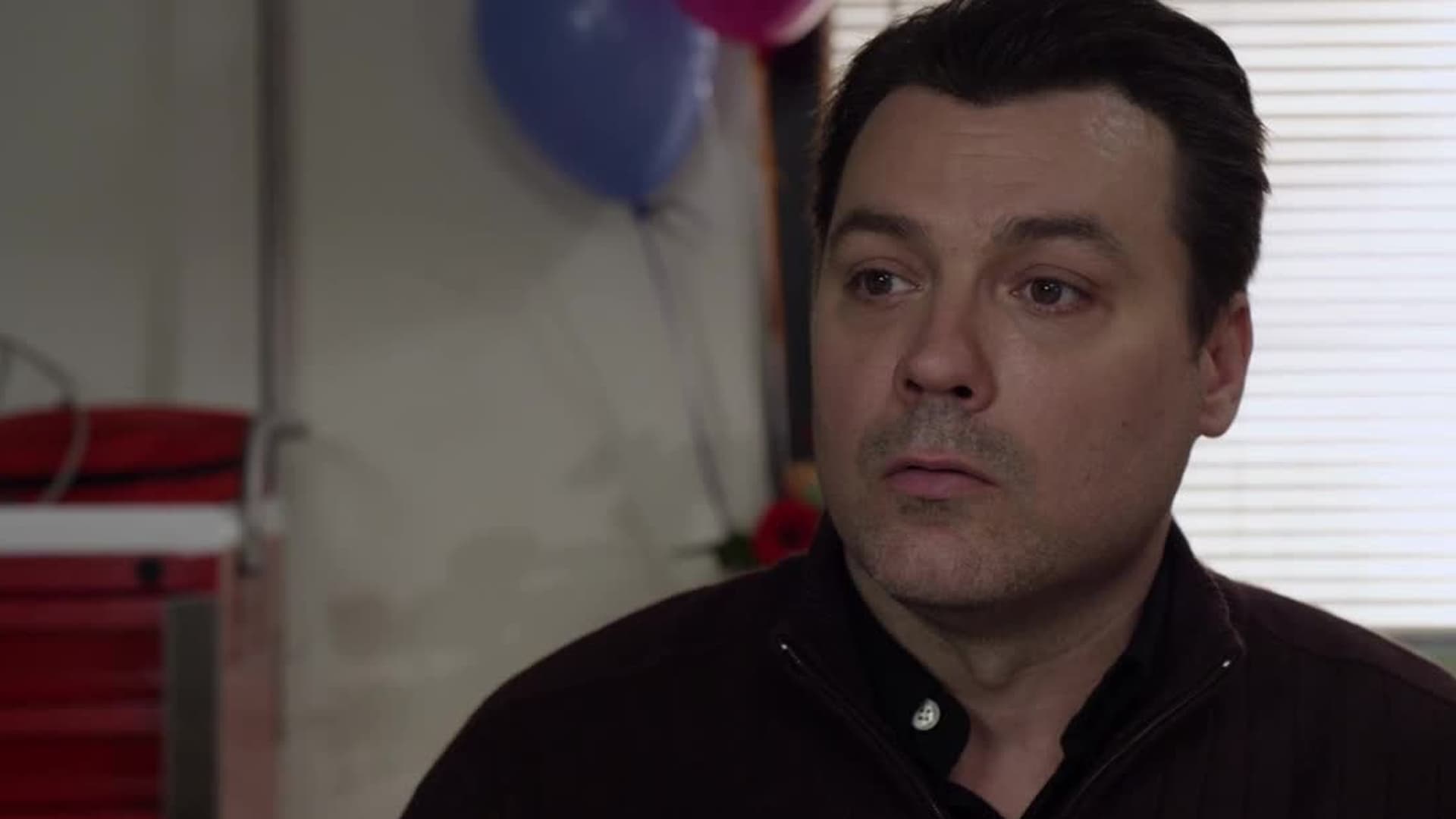
You know those sports movies that feel just a little too perfect? The ones where the music swells at the exact moment the underdog scores, and you find yourself rolling your eyes because real life isn't actually like that? Honestly, the story of 1000 to 1 Cory Weissman is one of those rare cases where the real-life events were actually more dramatic than the Hollywood script.
It’s been over a decade since David Henrie brought the story to the screen, but people still search for the "real" Cory. They want to know if a kid really had a stroke at 19 and if that final free throw was just movie magic.
The short answer? It happened. But the details of how he got there are much grittier than a 90-minute runtime can show.
The Day Everything Changed
March 26, 2009. That’s the date etched into Cory’s memory. At the time, he was a freshman at Gettysburg College, a 1,000-point scorer from Jackson Memorial High School in New Jersey who was basically living the dream. He was fast, he was fit, and he was ready to dominate the court.
He was in the weight room with a friend when his left side just... stopped.
He couldn't pick up a dumbbell. He couldn't sit up straight. By the time he was being dragged to the athletic training room, his leg was useless and his face was numb. He wasn't just "tired" or "overworked." He was having a massive stroke caused by an AVM (arteriovenous malformation)—a tangle of blood vessels in his brain he’d been born with but never knew existed.
Beyond the "1000 to 1 Cory Weissman" Script
The movie, 1000 to 1: The Cory Weissman Story, does a decent job of showing the recovery, but it’s hard to capture the sheer monotony of it. We're talking about a point guard who suddenly couldn't tie his own shoes.
Cory spent years re-learning how to walk. Then how to run. He dealt with about a dozen seizures during his recovery. His left foot and ankle suffered permanent nerve damage that never truly went away.
While the film focuses on the emotional support of his mother, Tina—who was a physical therapist and basically became his full-time coach in rehab—the reality was a lot of dark days in the gym when nobody was watching. He wasn't just trying to play basketball again; he was trying to be a person again.
The Return: Fact vs. Fiction
In the final game of his senior year in 2012, Coach George Petrie decided to start Cory. This is the "big moment" everyone remembers.
- The Movie Version: A highly stylized, cinematic climax.
- The Real Version: Cory started the game, heard his name announced, and was subbed out immediately after the tip-off to avoid injury. He sat on the bench until the very end.
With Gettysburg leading Washington College by a wide margin and only seconds left, Petrie put him back in. This is where sportsmanship actually outdid the script. The opposing coach, Rob Nugent, saw what was happening. He didn't want the clock to just run out. He told his players to foul Cory.
It was a "classy" foul. It sent a kid who hadn't scored a single collegiate point to the free-throw line.
That Final Point
Cory stood at the line. His balance was shot. Because of the nerve damage in his leg, he had to do a weird little hop-jump just to get the ball to the rim.
He missed the first one.
The crowd at Bream Gymnasium was dead silent. Imagine the pressure. This wasn't just a game; it was three years of seizures, surgeries, and "you'll never play again" talk distilled into one shot.
He took a breath. He did his routine. Swish.
That single point—the only one of his college career—is why the story is called 1000 to 1 Cory Weissman. He went from 1,000 points in high school to just one in college, but that one meant infinitely more.
Where is Cory Weissman in 2026?
A lot of people think he stayed in the film industry or became a pro athlete. Not quite. Cory leaned into the "life after the game" reality.
He eventually moved to Los Angeles and spent years as a personal trainer. He’s also spent a huge chunk of his life working with the American Stroke Association, specifically as a "Stroke Hero." He’s a motivational speaker now, but not the cheesy kind. He’s the kind of guy who talks about the fact that he still has physical limitations and that "overcoming" doesn't always mean "getting back to 100%."
Key Takeaways from the Cory Weissman Story
If you’re looking for the "lesson" here, it’s not just "don't give up." It's more nuanced than that.
- AVM Awareness: Strokes in young athletes are rare but almost always tied to undiagnosed issues like AVMs. If you have chronic, weird headaches or sudden numbness, get it checked.
- Redefining Success: Cory didn't become an NBA star. He became a guy who could walk again. Sometimes the goalpost moves, and that’s okay.
- Sportsmanship Matters: The moment wouldn't have happened without an opposing coach deciding that a kid's recovery was more important than the final score of a blowout game.
Actionable Steps for Recovery and Resilience
Whether you're an athlete dealing with an injury or just someone facing a massive setback, Cory’s path offers a blueprint.
- Find your "Base Level" goal: For Cory, it wasn't "dunking," it was "standing." Break your recovery into tiny, almost insulting goals.
- Lean on the experts: He had a physical therapist in the family, but he still had to put in the work at specialized facilities like the Penn State Hershey Stroke Center. Don't DIY a major medical recovery.
- Accept the "New Normal": Cory still plays basketball recreationally, but he knows his left side is different. Peace comes from working with what you have left, not mourning what you lost.
The 1000 to 1 Cory Weissman story is a reminder that while the odds might be astronomical, they aren't zero. Sometimes, one point is enough.
To learn more about stroke prevention in young adults or to hear Cory’s recent speaking engagements, you can follow his work through the American Heart Association’s "Together to End Stroke" initiative.